What EU Hosting Really Means for AI on Engineering Data.
Engineering data is often highly sensitive. What EU hosting actually guarantees for AI systems, and which questions procurement teams should be asking.
 Andreas SchaubmaierCo-Founder & CEO3 min read
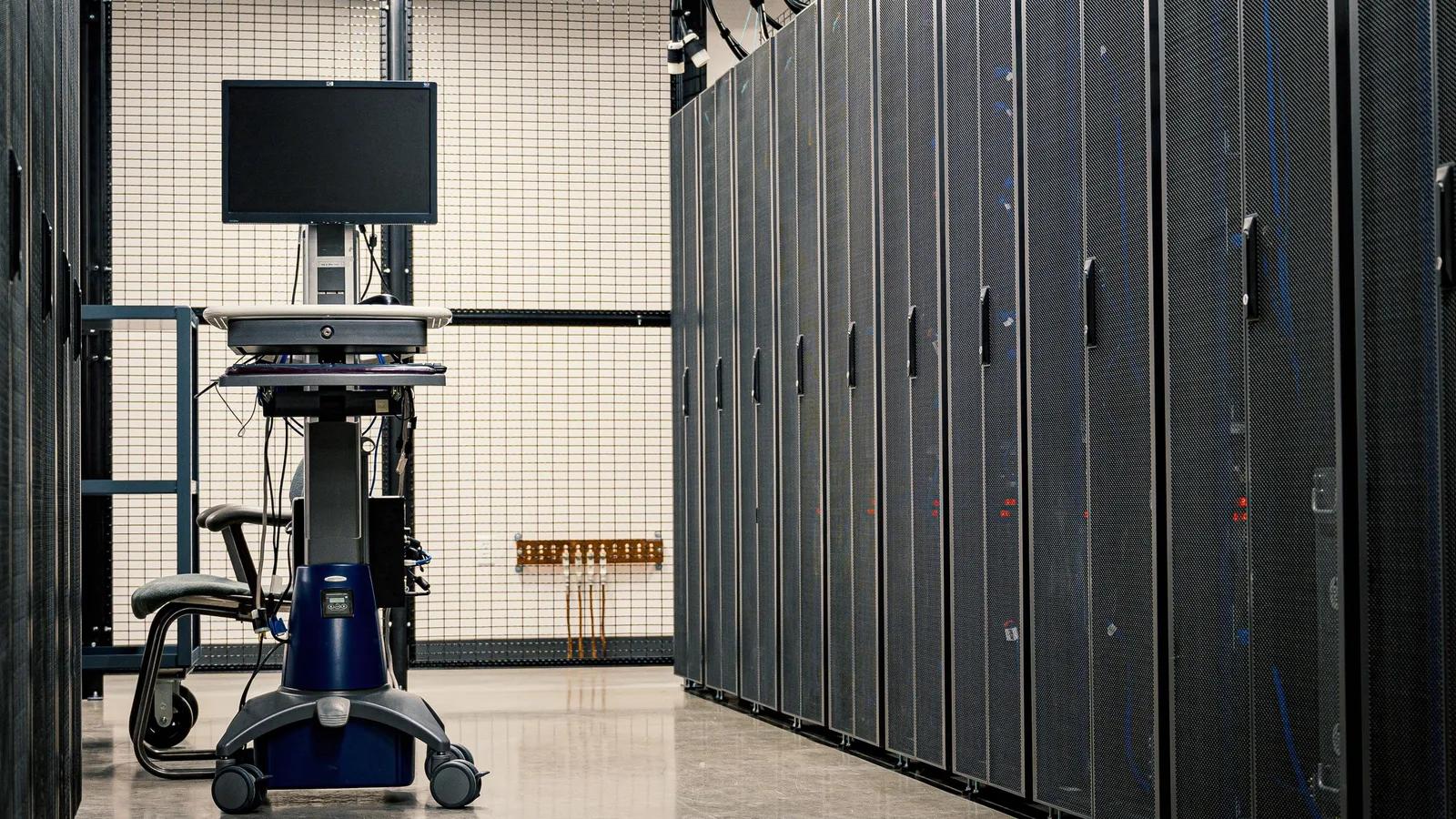
EU hosting means engineering data is processed exclusively in EU data centers and does not fall under the US Cloud Act. For AI systems this means GDPR-compliant processing, a data processing agreement (DPA), transparent subprocessors and contractually guaranteed deletion periods. Without these conditions, many IT departments will not even start the internal approval process.
Contents
Why does the storage location of engineering data matter at all?
Engineering data is not just files. It contains manufacturing details, tolerance specifications, proprietary geometries, project schedules. In the wrong hands, that is competitive intelligence.
When AI systems operate on this data, the question "Where is my data located?" is not a technical footnote. It is a matter of compliance, liability and often a precondition for the internal approval process.
What does EU hosting mean for AI systems in concrete terms?
No Cloud Act risk. The US Cloud Act obliges American companies to grant US authorities access to data on request, regardless of where the servers stand. A provider based in the EU and without a US parent company does not fall under this law.
GDPR compliance as a baseline. In the EU, the GDPR applies as the legal framework. That means: data processing agreements (DPA), clear rules on deletion periods, documented subprocessors. These requirements are standard for reputable B2B providers, but they should be actively demanded.
Transparent data center location. Knowing that a provider is "European" is not enough. The specifics should be clear: which data center? Which operator? Which certifications (ISO 27001, SOC 2)? Reputable providers answer this without hesitation.
EU hosting vs. US cloud: where is the difference?
| Criterion | EU hosting (no US parent) | US cloud / US group |
|---|---|---|
| US Cloud Act | Not applicable | Authority access possible, even on EU servers |
| Legal framework | GDPR as baseline | Third-country transfer, standard contractual clauses needed |
| Place of jurisdiction | EU | Usually the USA |
| DPA & subprocessors | Standard, documented | Often complex, sometimes opaque |
| Use of data for training | Excludable by contract | Check carefully, often opt-out instead of opt-in |
Which questions should procurement teams ask?
When evaluating AI solutions for technical teams, these questions help:
Is customer data used to train language models? The answer should be a clear "no", set out in the contract.
Which of the provider's employees have access to production data? Access should be limited to a named, documented group of people, with an audit log.
What happens to the data when the contract ends? Deletion periods and processes should be governed by contract, not handled "on request".
Is there a data processing agreement (DPA)? This is not an option but a GDPR requirement.
What does this mean in practice?
EU hosting alone does not make a system secure. But it creates the legal framework that makes other security measures possible in the first place.
For engineering teams in Germany, Austria and Switzerland, this means in practice: shorter IT approval processes, clearer liability questions when incidents occur, and a stronger argument when dealing with the works council.
The technology has long been ready. The decisive filter is this question: would we entrust our most sensitive project data to this infrastructure? If the answer requires hesitation, that is the answer.
To see where EU hosting fits into the bigger picture, our topic hub AI in Engineering Design maps out all the use cases at a glance.
The wider set of questions to put to any vendor is collected in the checklist for GDPR-compliant AI tools.
How this plays out with the most widely used tool is covered in the GDPR check on ChatGPT for internal documents.
What runs on that foundation day to day is shown on the knowledge assistant page.

Frequently asked questions
More from the blog
Back to overview- 05 November 2026Article4 min
What happens to project knowledge when a quarter of the workforce in machine building retires?
By 2034 about 296,000 employees in German machine building will retire, while only about 118,000 will follow. What gets lost in the project business, and how to keep the knowledge in the project before the experienced people leave.
4 min - 03 November 2026Article7 min
Why does project status in Excel, OneNote and email take so long to pull together?
Open-points list in Excel, meeting notes in OneNote, decisions buried in email threads. Why the project status in plant engineering has to be rebuilt every time, and how it can assemble itself from the sources.
7 min - 26 October 2026Article7 min
How to keep the internal and customer versions of a status report apart
What belongs in a status report for the customer, what never does, and how to produce both versions from the same project status so internal remarks never reach the customer.
7 min