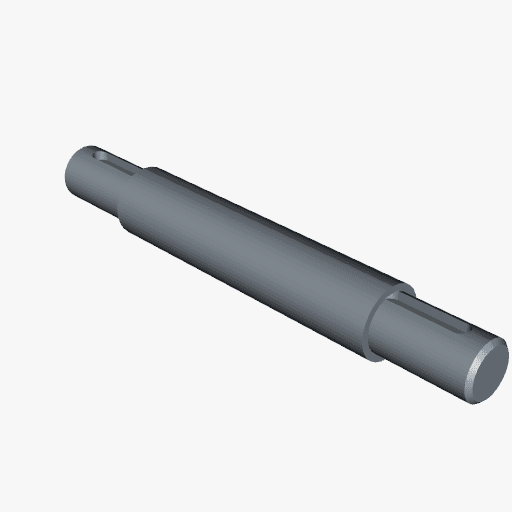
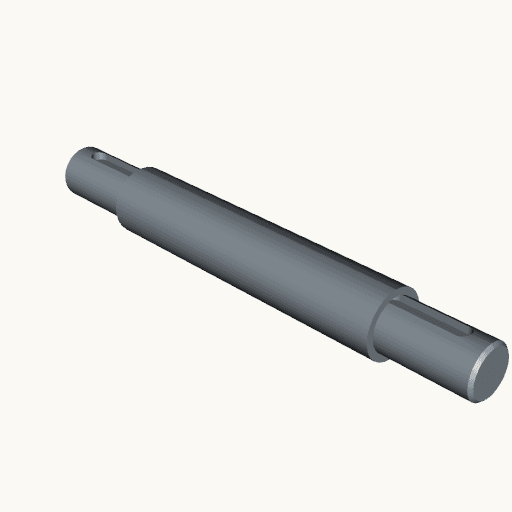
WarningTitle block96%
Spelling error in the part name
“Antriebswele” instead of “Antriebswelle”.
Real errorNot an error
AI in engineering design is not a single feature but a bundle of concrete use cases, from document search through multimodal drawings to onboarding and data protection. This overview places the most important ones and links to a dedicated article for the depth.
AI in engineering design searches your existing documents, standards and project files and answers technical questions in seconds instead of hours, with every statement backed by file and page. It does not replace a design decision; it takes the time-consuming research off the engineer's desk. The value comes not from the model alone, but from a clean knowledge base with traceable sources.
In design, quality assurance and service, an answer without evidence is worthless or even risky. Anyone who adopts a tolerance, a material or an inspection step without knowing the source takes on a liability risk. That is why AI here first searches the stored documents and formulates the answer solely on that basis.
Every statement carries a reference to file and page that the engineer can open with a single click. This continuous link between statement and evidence, the chain of evidence, lowers the risk of hallucination and makes results auditable. That is precisely the prerequisite for a specialist team to trust an AI at all.
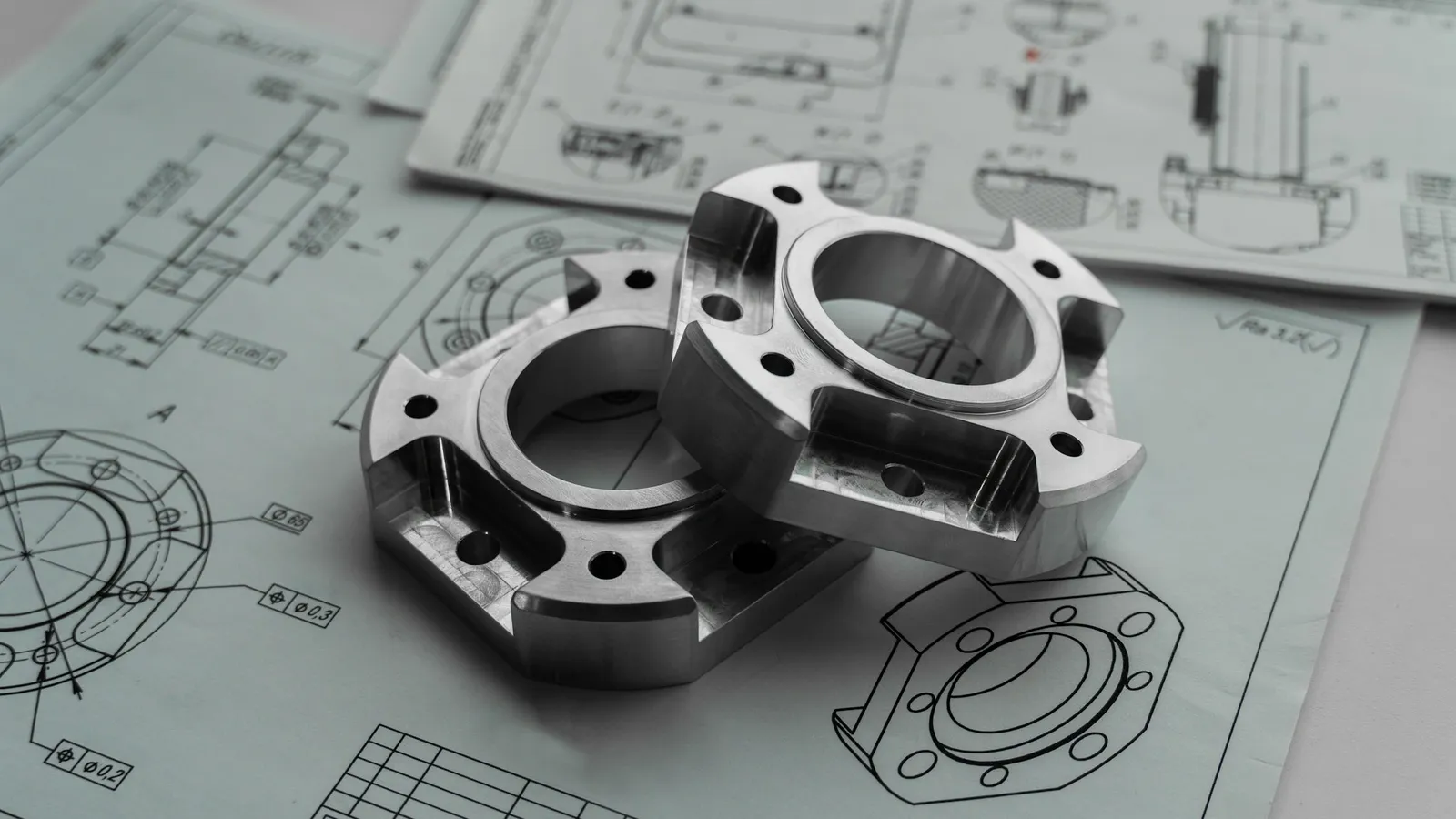
Engineering knowledge is largely visual. It sits in drawings, dimension chains, calculation sheets, screenshots from EPLAN or SolidWorks and in handwritten notes on plans. A purely text-based system only indexes the text of a PDF and misses exactly this most important part.
Multimodal AI reads text and image together, the way an engineer reads a page. It captures technical drawings, formulas and tables and can show the relevant image detail directly in the answer. That lowers the hurdle of building the knowledge base, because documents can be fed in as they are, without laborious prior translation into text.
AI reliably takes over the time-consuming research tasks: looking up standards, checking tolerance classes, reconstructing project history, searching datasheets. These are exactly the activities that cost time every day without requiring a creative decision. Studies put knowledge workers' search effort at around 30 percent of working time, and in design typically more.
Equally important is what AI does not do. It makes no design decision, does not replace an FEA calculation and takes on no professional responsibility. The value comes not from the model but from the preparation: which documents are in the system, how current they are and how revisions are maintained.
New design engineers ask the same questions every day: why was it decided this way, which standard applies, has anyone built this before? The knowledge exists, but it is scattered across project folders, emails and the minds of experienced colleagues. Every question costs 15 to 30 minutes of a senior colleague; at three questions a day that adds up to over 300 hours a year.
AI searches the existing project documentation and delivers traceable answers with sources, without the need for a new data repository. So the experiential knowledge stays available even when long-serving employees retire, and new colleagues become productive faster.
Mechanical engineering companies in the DACH region sit on a data treasure the rest of the world does not have: decades of documented projects, standards, wikis and machine data. The documentation culture is ISO-driven and deeply rooted. The problem is not a lack of knowledge, but that almost no one accesses it efficiently.
AI brings no new knowledge into the company; it makes the existing knowledge usable. Because this data is company-specific, it creates a competitive advantage that no provider of a generic model can replicate. For design teams, 3 to 6 hours of time saved per week and person is realistic.
Engineering data contains manufacturing details, tolerances and proprietary geometries. As soon as an AI works on it, the data location is not a technical side issue but a matter of compliance and often a prerequisite for internal approval. EU hosting means this data is processed exclusively in EU data centers and that a provider without a US parent company does not fall under the US Cloud Act.
This includes a data processing agreement, contractually excluded training use, transparent subprocessors and defined deletion periods. Where sensitive project data is involved, this determines whether IT even starts the approval process. On-premise operation is also possible if required.
What sets KoAssist apart at its core is the origin of the answer. Every statement traces back to the specific file and page, and for visual content down to the highlighted image detail. The decision stays with the expert, but the path to reliable information shrinks from minutes to seconds. The difference is not the intelligence of the model, but the verifiable chain of evidence.
Answers from every earlier project, backed by file and page.
View knowledge assistantAgainst your engineering guidelines, every finding marked on the drawing.
View drawing checker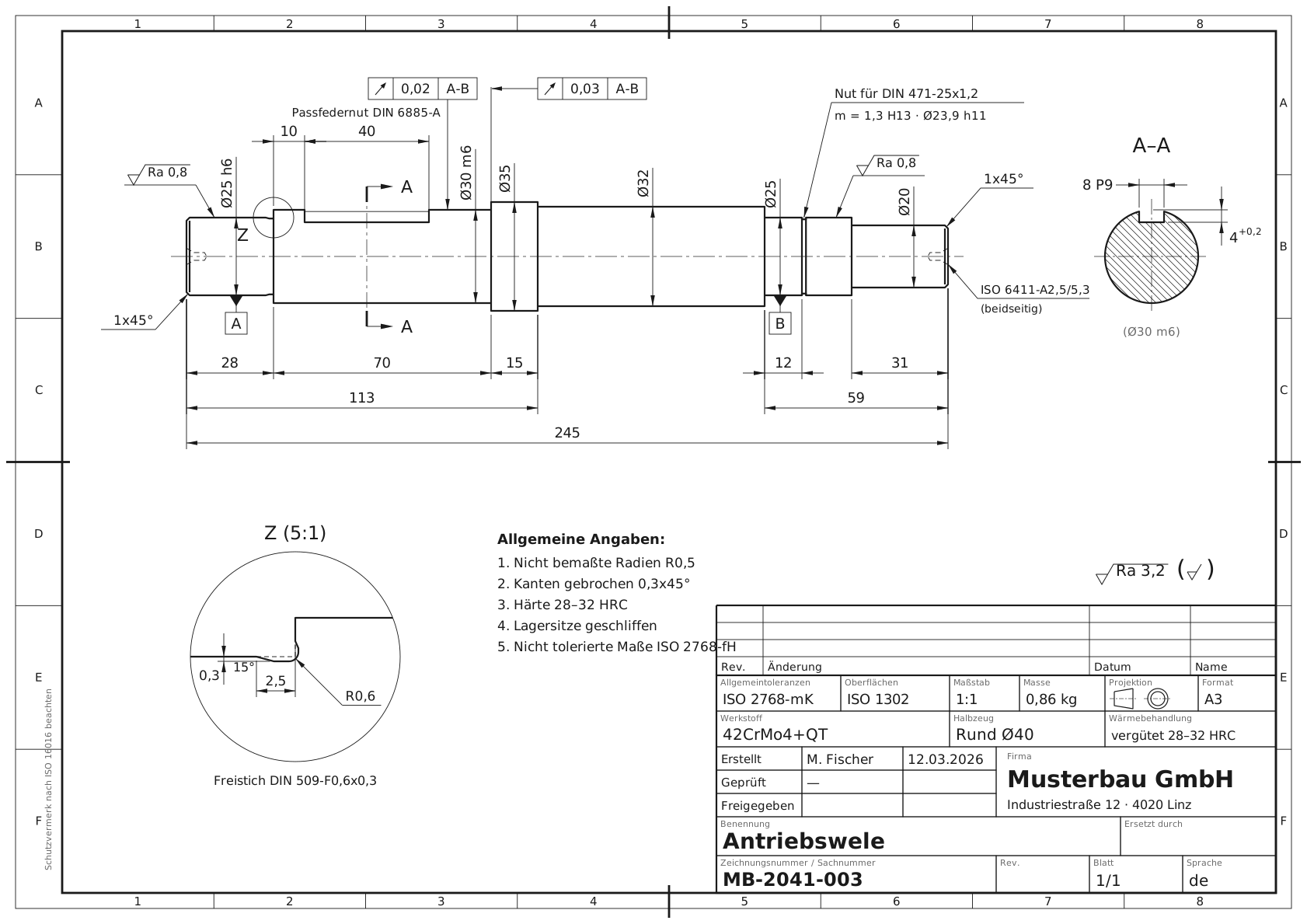
“Antriebswele” instead of “Antriebswelle”.
The “REV” field in the title block is empty.
Similar parts from your stock, with drawing number and material.
View similar-part search