AI for technical documentation that cites its sources.
How an AI backs every answer about your technical documents with a source: the exact file and page. Verifiable, auditable, no unnoticed hallucinations.
 Andreas SchaubmaierCo-Founder & CEO4 min read
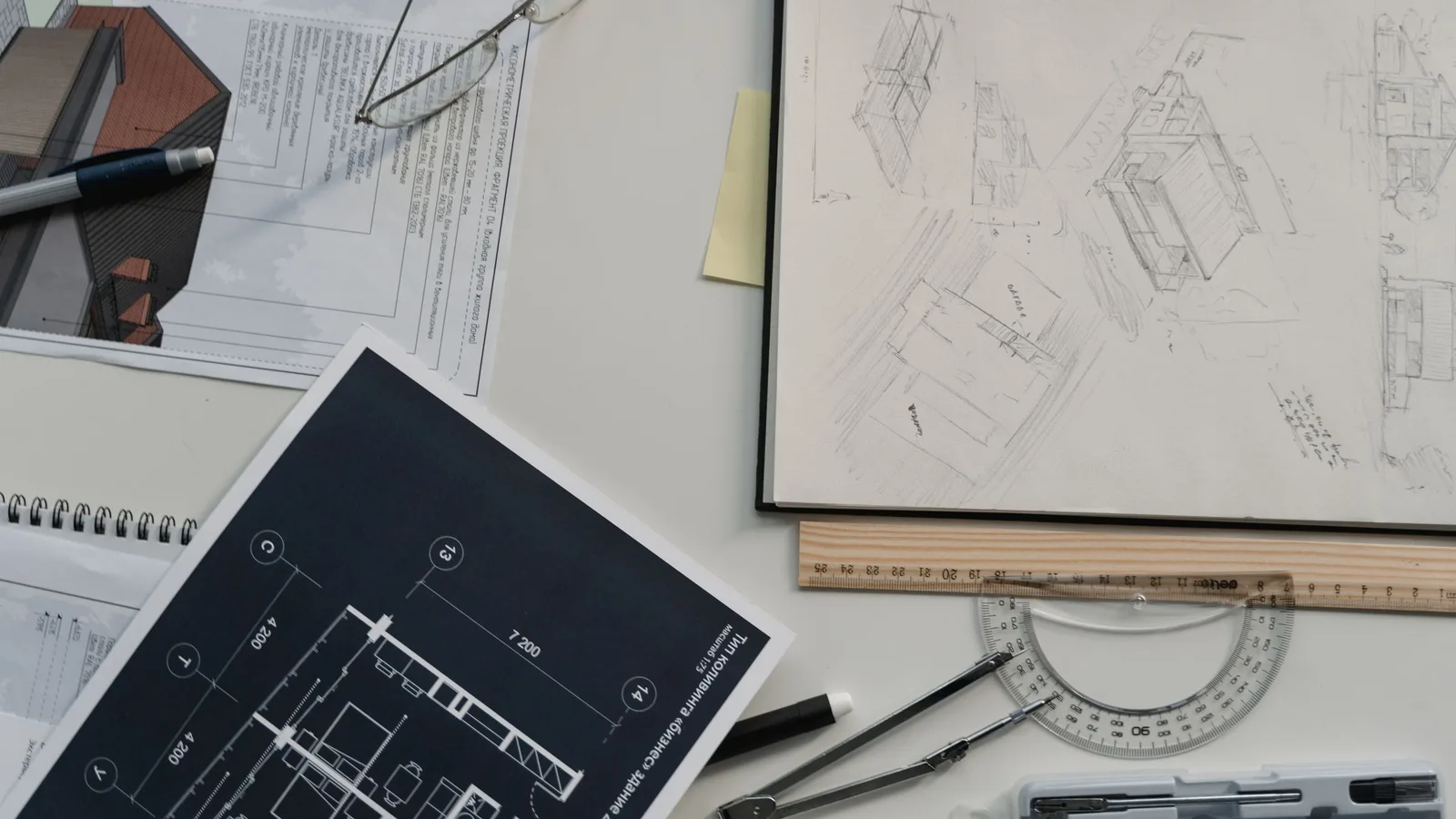
AI with source citations answers questions about technical documents and points every statement to the exact file and page it came from. Unlike a freely phrasing chatbot, every answer can be verified. This lowers the risk of hallucination, makes results auditable, and is the precondition for design and quality teams to trust an AI at all.
Contents
- Why are source citations decisive for AI in technical documentation?
- How does AI document search with a chain of evidence work?
- AI with vs. without source citations: where is the difference?
- Which documents can be unlocked this way?
- What should technical teams look for when choosing?
- What does this mean in practice?
Why are source citations decisive for AI in technical documentation?
An AI that answers technical questions sounds impressive at first. In practice, though, its usefulness is not decided by fluent phrasing but by a single question: Is this correct, and how do I know?
In design, quality assurance and service, an answer without a reference is worthless or even dangerous. Anyone who takes a tolerance, a material or a test step from an AI answer without knowing the source takes on a liability risk. The source citation is therefore not a comfort feature but the condition for using an AI in a technical environment at all.
How does AI document search with a chain of evidence work?
Instead of phrasing an answer freely, the system first searches the stored documents, finds the relevant passages, and formulates the answer solely on that basis. Every statement stays linked to where it came from.
In concrete terms: every answer comes with a reference to the file and page the information stems from. The user sees not only the result but can open the original passage in one click and read it in context. This continuous link between statement and evidence can be described as a chain of evidence.
AI with vs. without source citations: where is the difference?
| Criterion | AI with citations (chain of evidence) | AI without citations |
|---|---|---|
| Verifiability | Every statement points to file and page | Answer with no traceable origin |
| Hallucination risk | Low, bound to the source | High, the model can invent content |
| Auditability | Given, the reference is documented | Not given |
| Trust in the expert team | Provable and checkable | Gut feeling |
| Fit for standards and compliance | Yes | Risky |
Which documents can be unlocked this way?
The biggest lever rarely lies in new data but in what already exists. In many companies the relevant knowledge sits in PDF manuals, standards, test reports, bills of materials, specifications and in the project folders of past years.
This exact body of files is hard to access with classic full-text search, because the right answer often does not appear in the wording of the question. An AI that captures the content and points to the source turns this passive archive into a queryable knowledge base. The page How it works shows this in detail.
What should technical teams look for when choosing?
When evaluating a solution, a few concrete points are worth checking.
Is the source shown for every answer, down to the page? A blanket list of documents at the end is not enough. The reference has to belong to the individual statement.
Does the system answer solely from your own documents, or does it mix in general model knowledge? For technical content, the strict binding to your own source is decisive.
Where is the data processed, and how is access governed? For sensitive design data this is a compliance question, not a detail. Background in the article on EU hosting and AI.
What does this mean in practice?
An AI without source citations merely shifts the problem: instead of searching for the information yourself, you now have to verify the machine's answer, without knowing where. That is not progress.
An AI with a chain of evidence turns this around. It finds the passage, shows it, and leaves the decision to the expert. Responsibility stays with the human, but the path to reliable information shrinks from minutes to seconds. For technical documentation, that is the real gain.
If you want to see how this feels with your own files, book a demo.
This article is part of our topic hub AI in Engineering Design, which covers source citations and further use cases at a glance.
Why a general chatbot does not meet this requirement, and when its use is still defensible, is covered in the GDPR check on ChatGPT for internal documents.
The feature behind this is the knowledge assistant, which traces every answer back to a file and a page.

Frequently asked questions
More from the blog
Back to overview- 05 November 2026Article4 min
What happens to project knowledge when a quarter of the workforce in machine building retires?
By 2034 about 296,000 employees in German machine building will retire, while only about 118,000 will follow. What gets lost in the project business, and how to keep the knowledge in the project before the experienced people leave.
4 min - 03 November 2026Article7 min
Why does project status in Excel, OneNote and email take so long to pull together?
Open-points list in Excel, meeting notes in OneNote, decisions buried in email threads. Why the project status in plant engineering has to be rebuilt every time, and how it can assemble itself from the sources.
7 min - 26 October 2026Article7 min
How to keep the internal and customer versions of a status report apart
What belongs in a status report for the customer, what never does, and how to produce both versions from the same project status so internal remarks never reach the customer.
7 min